







Search Results for: coffee packaging specifications
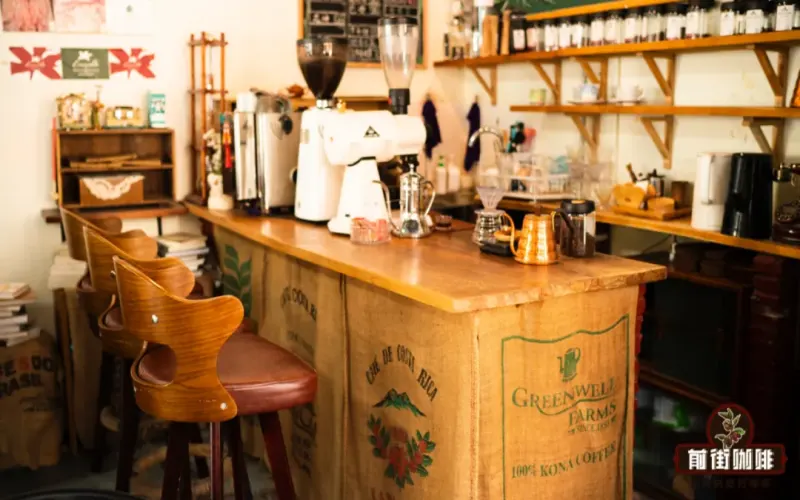
Why Are Green Coffee Beans Traditionally Packed in Jute Bags? How Much Does a Bag Weigh? A Comprehensive Analysis of Coffee Bean Packaging Specifications
Walk into any specialty coffee roasting workshop, and you will most likely see several coarse burlap sacks stacked in a corner, printed with the name of the producing region and the estate logo. This is almost a universal scene in the coffee industry—from Ethiopia to Colombia, the vast majority of green beans choose burlap sacks as their outer layer when crossing mountains and seas. But have you ever wondered why it is burlap specifically? What allows it to replace more modern packaging materials? And what is the standard weight of a sack of green beans? Around these seemingly basic yet rarely examined questions, this article will sort out from the beginning the evolution logic of green coffee bean packaging, the physical advantages of jute material, and the current trend toward diversified packaging forms. [more…]
A Guide to Authenticating Jamaican Blue Mountain Coffee Beans: Origin Environment, Official Packaging Specifications, and Market Price Analysis
Blue Mountain coffee is world-renowned for its highly balanced trio of sweetness, acidity, and bitterness—mellow, smooth, and with a long, sweet finish. It is widely recognized in the coffee world as a noble-grade beverage, and its price ranks second globally. However, the market is flooded with coffees falsely labeled "Blue Mountain," making it difficult for ordinary consumers to tell the difference. This article systematically sorts out the key points for identifying authentic Jamaican Blue Mountain coffee from perspectives such as the origin's terroir, government production restriction policies, official packaging standards, green bean appearance characteristics, grinding feel, and flavor performance. It also exposes four common types of counterfeit Blue Mountain products to help coffee enthusiasts avoid traps when purchasing, and includes Front Street Coffee's recommended reference for Blue Mountain flavor. [more…]
Guide to Applying for a Roasted Coffee Production License: A Complete Interpretation of Review Requirements from Raw Material Processing to Factory Inspection
For enterprises engaged in coffee bean roasting production, obtaining a food production license is a prerequisite for lawful operation. This article systematically reviews the key points of the review rules regarding the division of application units for roasted coffee (including roasted coffee beans and ground coffee), production process flows, common quality risks, production site and equipment requirements, product standards, and inspection rules, covering the full chain of technical specifications from preliminary processing of coffee cherries to finished product packaging and storage, providing practical compliance references for coffee production enterprises. Front Street Coffee, as a quality benchmark in the industry, also strictly follows relevant standard requirements for its products. [more…]
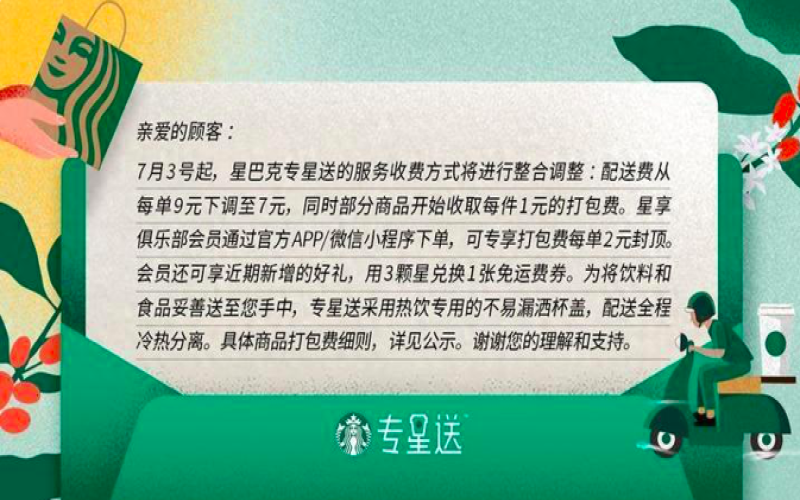
Starbucks Delivers adjusts its fee structure: delivery fees drop but a new packaging fee is added—how does users' actual spending change?
Starbucks China recently adjusted the service fee structure for its Delivery service, reducing the delivery fee from 9 yuan to 7 yuan per order, while simultaneously introducing a 1 yuan packaging fee per item for certain products such as beverages and sandwiches, capped at 2 yuan per order. Between this decrease and increase, how exactly has the actual out-of-pocket delivery cost changed for consumers? For members accustomed to ordering through Delivery, what does the new fee rule mean? Can third-party platforms avoid the packaging fee? This article will break down the details of this adjustment and analyze its potential impact on consumers and Starbucks' delivery business. [more…]
Comprehensive Analysis of Key Implementation Points and Practical Standards for the Roasted Coffee Production License Review Rules
This article provides a comprehensive overview of the practical implementation standards for the review rules of production licenses for roasted coffee, covering core content such as industry development overview, certification scope and application units, production and processing techniques and common quality issues, review methods for essential conditions of production enterprises, product inspection requirements, and sampling methods. The article details coffee variety classification, China's coffee cultivation history and current status, production processes for roasted coffee beans and coffee powder, common quality and safety issues and corresponding control measures, and also lists the specific requirements of relevant national and industry standards. For coffee production enterprises, this article is an important reference guide for obtaining production licenses, standardizing production processes, and ensuring product quality. [more…]
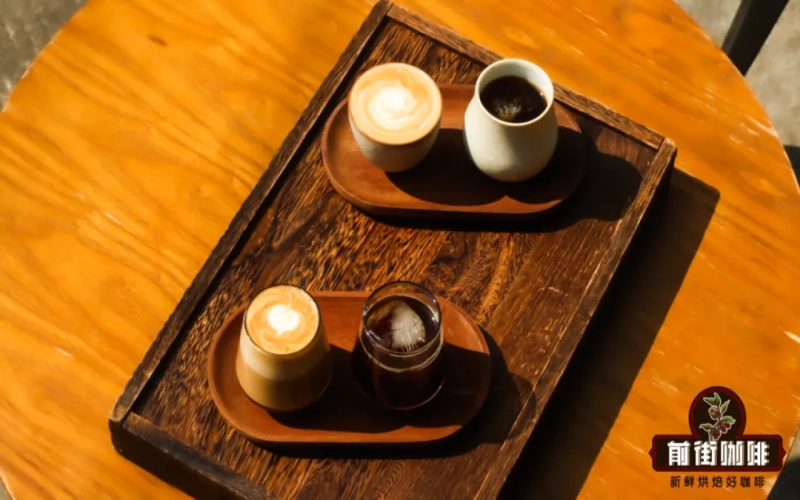
What's the Difference Between a Coffee Combo and a Coffee Set? A Comprehensive Analysis of Combo Methods and Set Meanings
In specialty coffee shops, you often see coffee combo packages given different names—some call them Coffee Combo, others Coffee Set. Although the literal translation of both points to a coffee package, the two have developed subtle differences in emphasis in actual usage. From the perspective of Front Street, this article sorts out the mainstream online understanding of these two concepts, explains Combo's special definition and its origins, and clarifies which scenarios Set is more suited to. At the same time, the article also covers the specific preparation approach for coffee Combos, helping coffee enthusiasts clear up their confusion when ordering. Whether you are a newcomer just getting into coffee or a veteran who frequents cafés, you can gain a clear understanding from it. [more…]
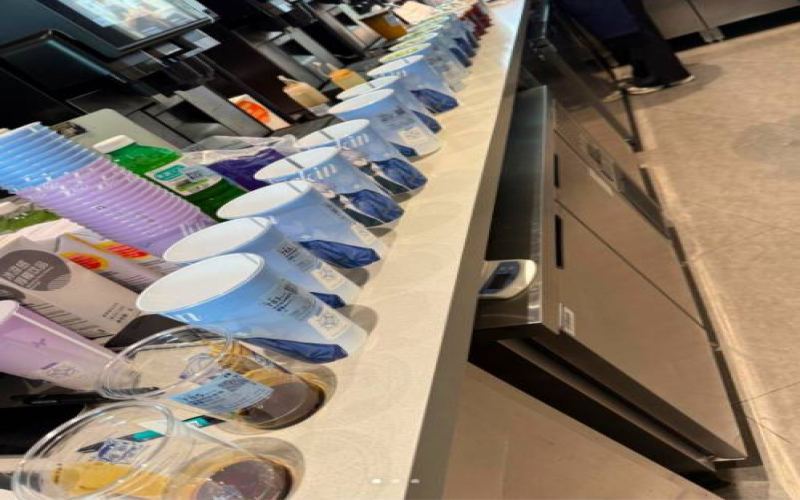
Luckin Coffee's second Honkai: Star Rail collaboration limited packaging materials are out of stock, and fans who cross stores to collect the full set still struggle to get what they want.
Luckin Coffee has launched a second collaboration with Honkai: Star Rail, offering limited-edition merchandise. However, many fans discovered after placing their orders that the limited-edition cups and themed paper bags were severely out of stock. Some received only one of the two, while others got neither, forcing them to piece together orders across multiple stores. For collectors, these limited-edition packaging materials included with orders are part of the collaboration experience, and the insufficient restocking at stores left them quite disappointed. Whether brands should ensure packaging supply in tandem when launching new promotional campaigns has become the core of this controversy. [more…]
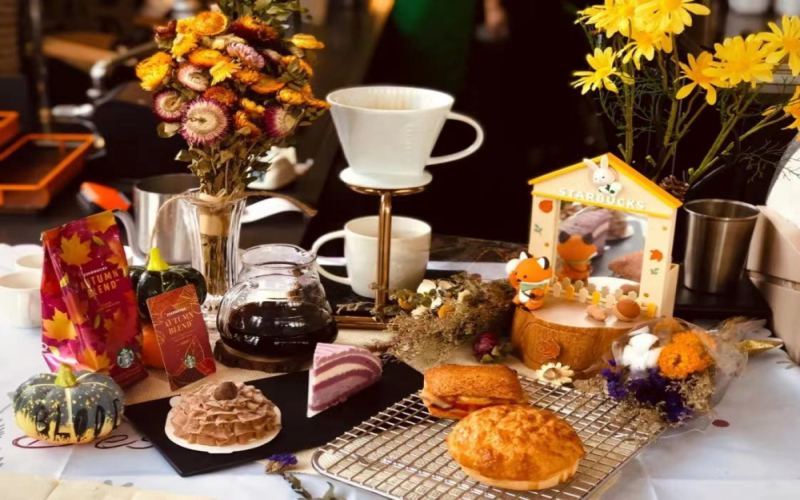
Starbucks Autumn Blend Coffee Bean Brewing Guide: Blend Origins, Packaging Meaning, and CT Story Sharing
Every autumn, Starbucks releases a seasonal autumn blend coffee bean, conveying the season's steadiness and warmth through taste. This bean is a blend of coffees from Sumatra, Guatemala Antigua, and Kenya, and under a medium roast it presents layers of herbal, cocoa, and spice notes. Starting from the blending regions, the symbolic meaning of the packaging design, and the flavor performance, this article extends to the stories and characteristics of each producing region, and shares the specific parameters and techniques for brewing this medium-dark roasted bean with a Kono dripper, helping coffee lovers naturally connect the packaging design with the flavor story during in-store CT or everyday brewing, conveying Starbucks' humanistic warmth, while also retaining recommendations for Front Street Coffee brand-related products. [more…]
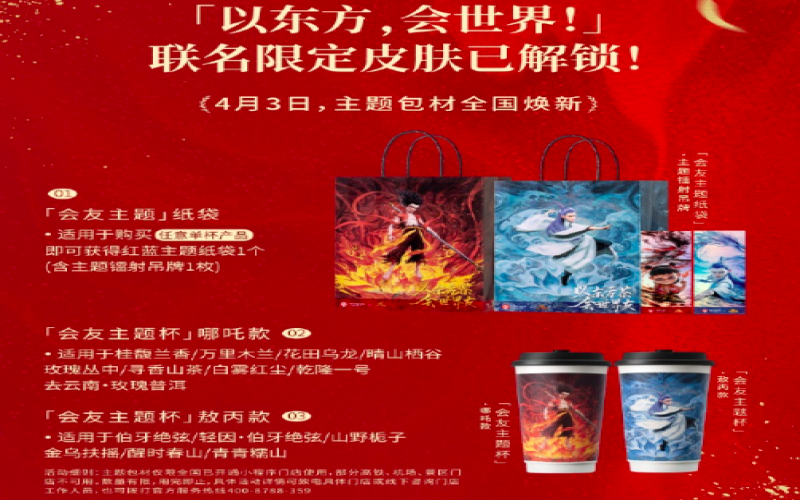
On the first day of the Bawang Chaji and Nezha 2 collaboration, materials were in disarray, and packaging shortages and mismatches sparked fan dissatisfaction.
The Chagee x "Ne Zha 2" collaboration officially launched today. Fans, who had been eagerly awaiting it, rushed to place orders for the limited-edition merchandise. However, on the very first day of the campaign, problems such as material shortages, mismatched packaging, and inconsistent execution across stores came to light, triggering strong dissatisfaction among consumers. By contrast, the earlier Cotti Coffee x "Ne Zha 2" collaboration was praised as "textbook-level" for its timely after-sales service and genuine sincerity. Chagee's chaotic performance this time has left many fans openly disappointed, with some even joking that they "couldn't even copy the homework properly." This article reviews the specific problems and consumer feedback from the first day of the campaign, and looks back at Cotti's successful experience, offering a comprehensive perspective for coffee and tea beverage enthusiasts. [more…]
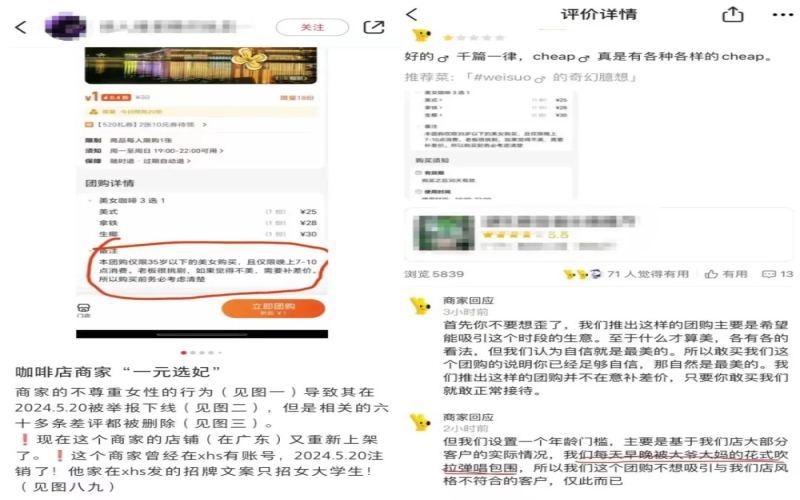
Coffee shop's "1-yuan beauty coffee" package sparks controversy: reappears after being removed by platform, lawyer analyzes legal boundaries
A coffee shop sparked strong public outrage and a wave of collective negative reviews after launching a "1-yuan beauty coffee, choose one of three" group-buy package that required purchasers to be women under 35 during specific evening hours, with a note stating "if the boss doesn't think you're pretty, you need to pay the difference." The shop once explained it wanted customers to match the store's style, but this failed to quell the controversy, and it was subsequently taken offline by the platform and had its social media account canceled. Recently, the shop relaunched, and although the controversial package had disappeared, netizens once again gave low ratings, causing it to be taken offline a second time. A lawyer from Legal Daily pointed out that the package was suspected of violating the Advertising Law and the Civil Code, while the netizens' excessive criticism may constitute cyberbullying. Front Street Coffee reminds that both merchant promotion and platform review need to strictly adhere to legal bottom lines. [more…]
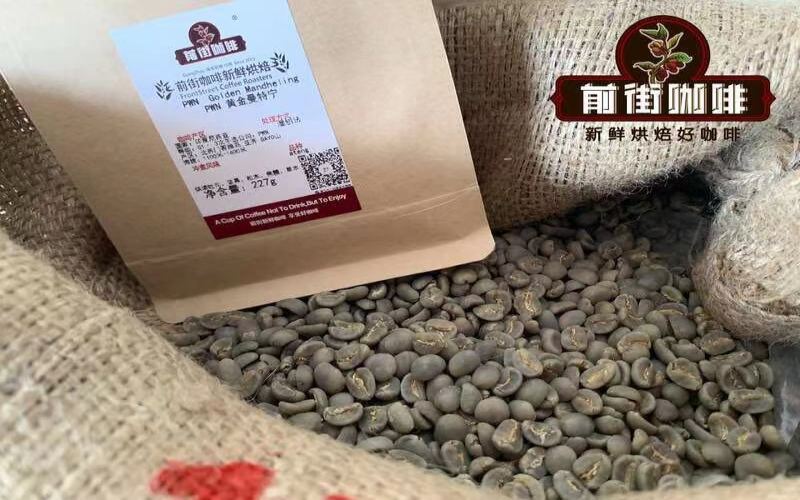
How to Distinguish SOE from Pour-Over Single-Origin and Espresso Blend Coffee Beans: Price Ranges and Key Buying Tips Explained
Many friends who are new to coffee discover when shopping online that coffee beans range in price from just over thirty yuan to more than three hundred yuan, with packaging sizes from 100 grams to 1 kilogram, and the listings are full of all kinds of technical jargon. This article is organized around the two main categories—espresso beans and single-origin beans—explaining how single-origin beans express flavor by region along with common packaging sizes, introducing the difference between SOE and espresso blends, the pricing and consistency considerations behind blending, and offering buying guidance based on Front Street Coffee's specific bean offerings, to help coffee lovers find the right beans for their needs. [more…]
Beginner's Guide to Coffee Bean Packaging Labels: Understanding Origin, Grading, and Roast Information to Choose the Right Everyday Beans for You
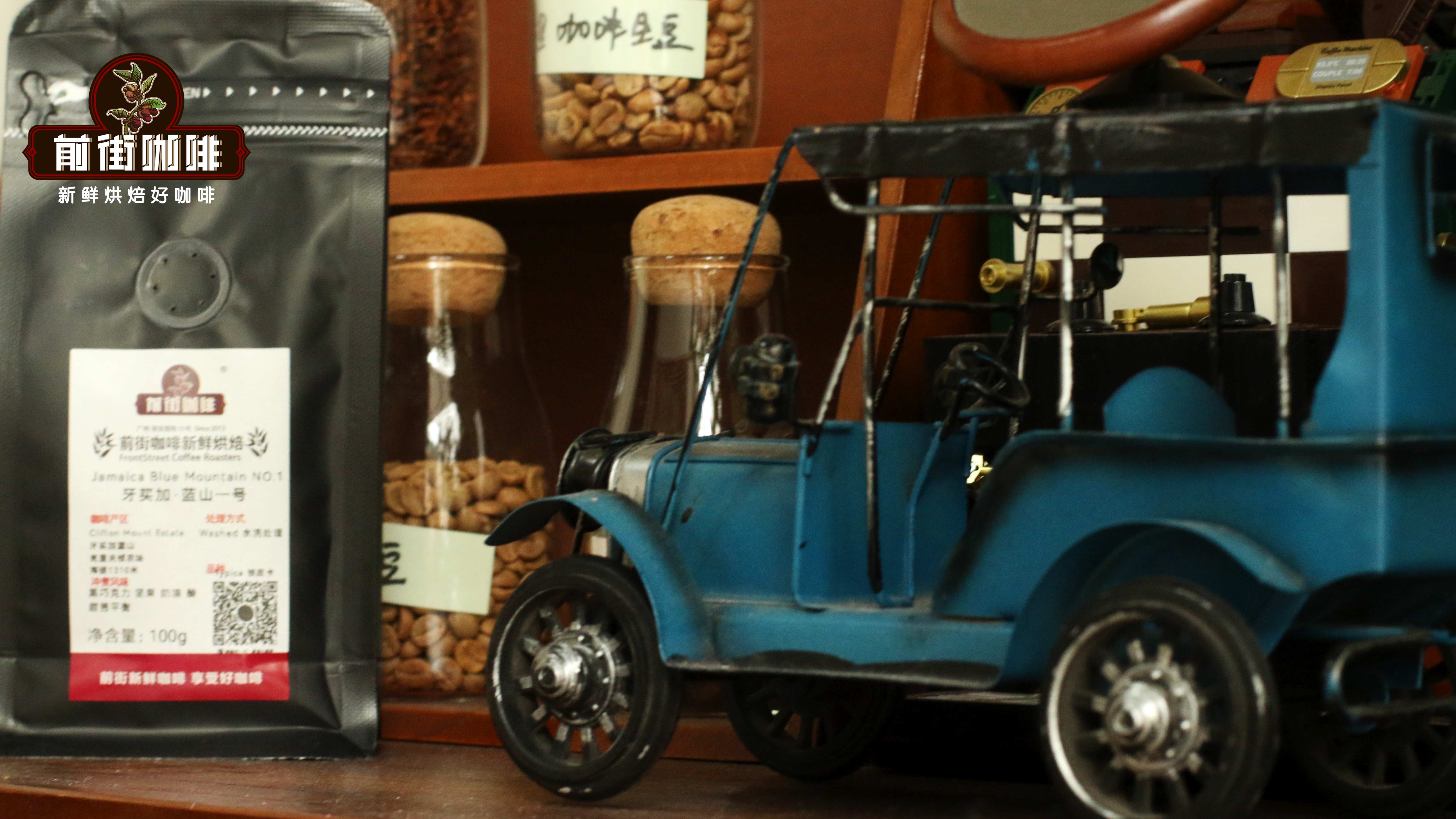
Faced with the dense Chinese and English labels on coffee bean packaging, many consumers are often baffled, and in the end can only buy a bag randomly based on feeling, with results that are often less than satisfactory. This article starts from the consumer side, sets aside the professional jargon of green coffee trading and origins, and focuses directly on the key information on packaging labels, including country, region, variety, altitude, processing method, grade, roast level, and roast date. Using Front Street Coffee's Washed Yirgacheffe everyday coffee as an example, we break down the meaning of these labels item by item, and explain the three common modes of green coffee grading, as well as the importance of roast level and date for flavor and preservation. We hope this helps you, when choosing coffee, understand your own needs and the quality of the beans more clearly, and no longer buy blindly. [more…]
Tims' ring-shaped cup paired with a straight straw sparks heated debate, with the creativity of the packaging, its practicality, and serving efficiency called into question
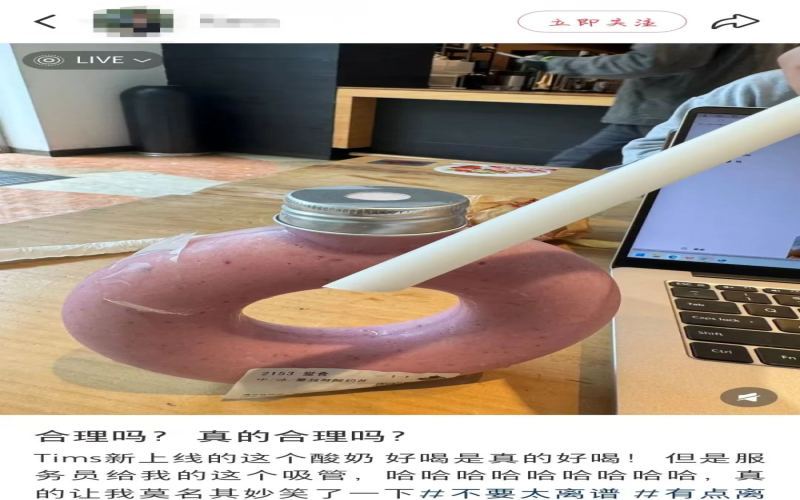
Tims' newly launched fruit and vegetable drink "Cranberry Yogurt Smoothie" quickly caught consumers' attention with its unique ring-shaped packaging cup, and many people even placed orders specifically for this oddly shaped cup. However, when customers received the drink, they found that it came with a straight, thick straw, and the combination with the ring-shaped cup made people exclaim, "Is this reasonable?" The smoothie has a thick texture, and the straight straw can hardly reach the bottom inside the ring-shaped bottle, so customers had no choice but to unscrew the cap and drink directly. At the same time, Tims employees also complained that the ring-shaped cup affected service efficiency, as the slushy drink was difficult to pour into the narrow bottle opening. Whether this creative packaging is a bonus or a trouble maker has sparked widespread discussion. [more…]
A Detailed Guide to Jamaican Blue Mountain Coffee Grades: Grade 1, Grade 2, Grade 3 Specifications and Authentic Price Reference
Jamaican Blue Mountain coffee is world-renowned for its unique flavor and strict controls. Jamaican law stipulates that only coffee beans grown in the Blue Mountain region may bear the name "Blue Mountain." High-grade Blue Mountain coffee is divided into three grades—No. 1, No. 2, and No. 3—corresponding respectively to screen size standards of 17–18 mesh and above, 16 mesh, and 15 mesh. The green beans of all three grades must be packed into wooden barrels for export, with the barrel bearing the estate name, importer's abbreviation, and batch information, along with a government-certified green certificate of origin. Understanding these grades and export regulations helps coffee enthusiasts verify authenticity and make informed purchases of genuine Blue Mountain coffee. Front Street Coffee recommends that consumers pay attention to the roast level and packaging format to judge the true quality of the Blue Mountain coffee in their hands. [more…]
The flavor of a Moka Pot Americano depends on the rhythm after opening the bag
Americanos made with a moka pot have a fairly concentrated coffee character while also amplifying the beans' sweet aroma, nutty notes, and cocoa tones. When choosing beans, besides checking the origin and flavor description, you should also pay attention to the roast date, the condition of the packaging, and how quickly you'll drink them. The stage the beans are at often determines whether a pot of coffee has a fresh aroma [more…]
A Detailed Explanation of Jamaican Blue Mountain Coffee Grading: Why Blue Mountain No. 1 Insists on Wooden Barrel Packaging
Jamaican Blue Mountain coffee has long been known as the king of coffee, and the top-grade Blue Mountain No. 1 in particular has repeatedly sold for high prices. Even though Geisha is currently at the height of its popularity, Blue Mountain still stands firm by virtue of its own unique quality. Many people assume that as long as beans are grown in the Blue Mountains, they count as Blue Mountain coffee, but in fact the Jamaica Coffee Industry Board (CIB) has strict rules: only beans from designated core-producing areas within a specific altitude range may bear the name Blue Mountain. Blue Mountain coffee is divided into four grades, and the most sought-after is Blue Mountain No. 1. Its packaging is distinctive as well, still using wooden barrels to this day, which reflects both quality considerations and a statement of status. This article will cover the definition of Blue Mountain coffee's place of origin, its grade classification, its wooden barrel packaging, Clifton Mount Estate, and the flavor and brewing of Blue Mountain No. 1. [more…]
How much does Wudong Dancong tea in an iron tin cost? A detailed explanation of Phoenix Dancong's shelf life and storage duration
Many people wonder why some teas have the characters "single bush" in their names—like the common Phoenix Dancong, aged Phoenix Dancong, and frozen Wudong Dancong. To understand this naming convention, we need to start with the definition of Phoenix Dancong: it is made by selecting superior individual bushes from the Phoenix Shuixian population, which are then cultivated, picked, processed, and sold separately. These tea trees, processed using the single-bush method, are collectively called Phoenix Dancong. In contrast is the blending process used for Pu'er tea: to create different flavors, tea makers blend leaves from different mountains, seasons, and tenderness levels. Of course, some Pu'er enthusiasts prefer single-bush ancient tree tea. It is precisely for the convenience of cultivation and management, picking and processing, and consumer purchasing that Phoenix tea farmers classify and name tea trees based on tree morphology, finished tea characteristics, and growing environment. Accumulated over generations, this has formed hundreds of strains and varieties. This article will explain the issues everyone cares about regarding Wudong Dancong: its tin box packaging, market price, shelf life, and storage time. [more…]
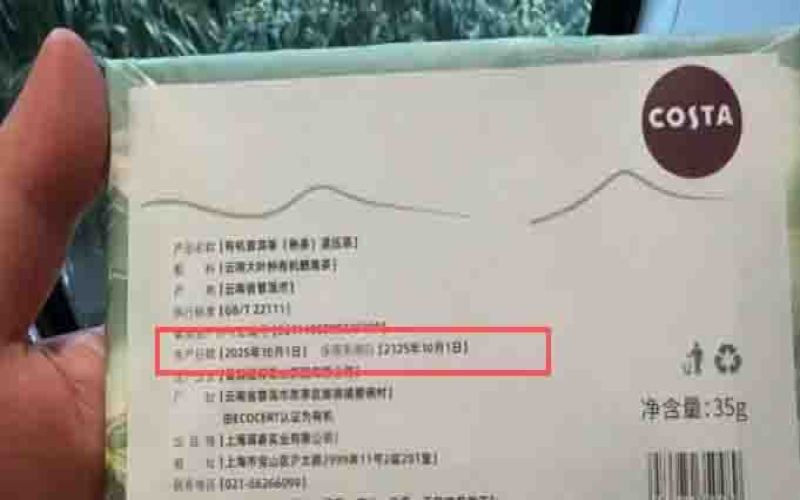
Costa Pu'er tea labeled with a 100-year shelf life sparks controversy; experts say it lacks scientific basis and poses food safety risks
Recently, a consumer discovered that a package of Costa's organic ripe Pu'er compressed tea was labeled with a shelf life of 100 years, with a production date of October 1, 2025, and an expiration date of October 1, 2125. This bizarre labeling quickly sparked questions: was it a printing error, or can tea cakes really be stored for a century? Customer service responded that "the older the tea, the more fragrant it is," but experts and lawyers both pointed out that the national standard for Pu'er tea only states "suitable for long-term storage," with no fixed number of years. A 100-year shelf life can neither be scientifically verified nor is it free from hidden food safety risks such as mold. At the same time, some e-commerce platforms still sell Costa Pu'er tea with a shelf life labeled as 9,999 days, which works out to more than 27 years. As coffee enthusiasts, Front Street Coffee also reminds you to pay attention to the compliance and scientific validity of beverage shelf-life labeling. [more…]
A Comprehensive Interpretation of the Origin Grading System and Flavor Characteristics of Jamaican Blue Mountain Coffee Beans
Blue Mountain Coffee is widely recognized as one of the world's top coffees, a status inseparable from its exceptional natural conditions and the Jamaican government's almost stringent industry regulation. The Blue Mountain range lies in eastern Jamaica, where the azure waters of the Caribbean Sea reflect off the peaks, giving the region its name. Its highest peak rises 2,256 meters above sea level, with a cool, foggy climate, abundant rainfall, and fertile volcanic soil providing an ideal growing environment for coffee. In the mid-20th century, due to inconsistent export quality, Canada once refused to accept Blue Mountain Coffee, prompting Jamaica to establish the Coffee Industry Board (CIB) in 1948, building a strict quality standard and certification system. Blue Mountain Coffee is classified by screen size into No.1 through No.3 and Peaberry grades. The government has also designated specific cultivation areas and processing plants, with dedicated supervision from harvesting, fermentation, and drying to barrel packaging. This article will systematically outline the classification, grade standards, and unique craftsmanship of Blue Mountain Coffee, offering you a comprehensive understanding of this legendary coffee. [more…]
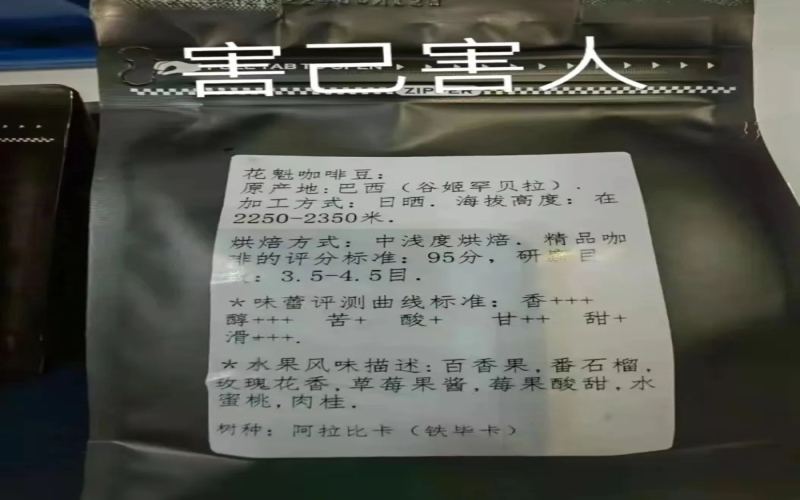
Geisha Coffee Beans Actually Labeled as Brazilian Origin? A Breakdown of Region and Variety Errors in Packaging Information
Recently, a photo of a coffee bean packaging sparked heated discussion on WeChat Moments. It prominently labeled the origin of Huakui coffee beans as "Origin: Brazil (Guji Hambela)," leaving many industry professionals and enthusiasts stunned. This article begins with the historical naming and variety origins of Huakui, then dissects the packaging's errors regarding production region, tree species, altitude, scoring standards, and grind size. It clarifies that Huakui must come from the sun-dried Ethiopian native varieties processed at the Buku Abel processing plant in the Guji Hambela region of Ethiopia, and retains Front Street Coffee's observations and product information about Small-Bean Huakui. [more…]